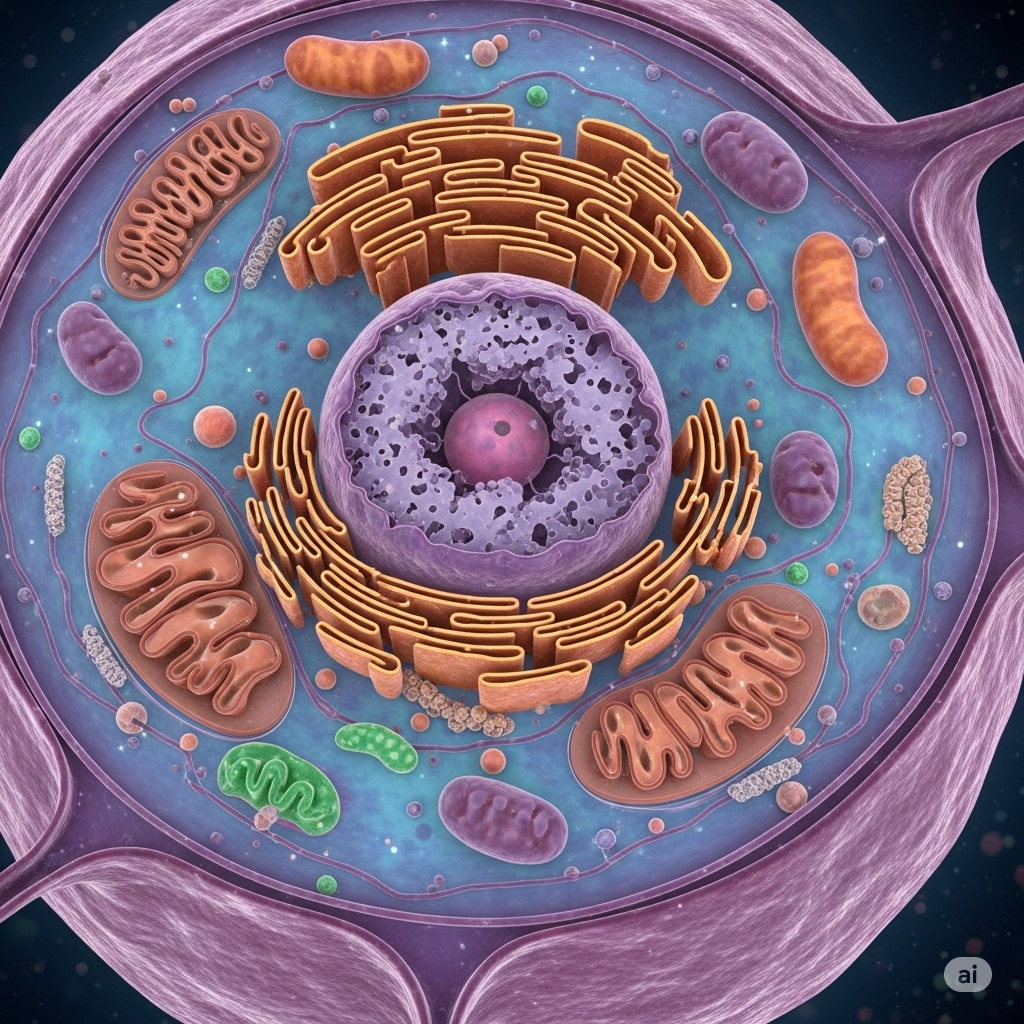
The Unsung Heroes of Our Bodies: A Dive into Tissues


We often talk about organs – the heart, the brain, the lungs – and their incredible functions. But what about the fundamental building blocks that make up these organs and indeed, our entire bodies? I'm talking about tissues. These often-overlooked powerhouses are the true unsung heroes, working tirelessly behind the scenes to keep us alive and thriving.

So, what exactly are tissues? Simply put, tissues are groups of similar cells that work together to perform a specific function. Think of it like a highly specialized team, where each member (cell) contributes their unique skills to achieve a common goal.


There are four primary types of tissues in the human body, each with distinct characteristics and vital roles:

1. Epithelial Tissue: The Body's Protective Barrier

Imagine a shield, a lining, or a secretory factory – that's epithelial tissue. This tissue forms the outer covering of our bodies (our skin!), lines internal organs and cavities, and forms glands. Its key functions include:

  • Protection: Shielding underlying tissues from damage, pathogens, and dehydration.

  • Secretion: Producing substances like hormones, enzymes, and mucus (think of your sweat glands or digestive glands!).

  • Absorption: Taking in nutrients, like in your intestines.

  • Filtration: Filtering waste products, as seen in the kidneys.

Epithelial cells are typically tightly packed, forming continuous sheets, and they come in various shapes (squamous, cuboidal, columnar) depending on their specific role.

2. Connective Tissue: The Body's Support System

As the name suggests, connective tissue connects, supports, and binds other tissues together. It's the most abundant and widely distributed tissue type in the body, a true jack-of-all-trades! Unlike epithelial tissue, connective tissue cells are usually scattered within an extracellular matrix, which can be liquid (blood), semi-solid (cartilage), or solid (bone). Its diverse functions include:

  • Support and Structure: Providing the framework for the body (bones and cartilage).

  • Protection: Cushioning organs and protecting against impact.

  • Transportation: Carrying nutrients and waste (blood).

  • Storage: Storing energy (fat) and minerals.

  • Immunity: Housing immune cells to fight off infections.

From the strong collagen fibers in your tendons to the fluid matrix of your blood, connective tissue is remarkably versatile.

3. Muscle Tissue: The Body's Movement Engine

Want to move, breathe, or even just blink? You have muscle tissue to thank! This specialized tissue is responsible for all forms of movement within the body. Its defining characteristic is its ability to contract, or shorten, generating force. There are three types of muscle tissue, each with unique characteristics and control:

  • Skeletal Muscle: Attached to bones, responsible for voluntary movements (like walking or lifting weights). You consciously control these muscles.

  • Smooth Muscle: Found in the walls of internal organs like the stomach, intestines, and blood vessels. It's responsible for involuntary movements (like digestion or regulating blood pressure). You don't consciously control these.

  • Cardiac Muscle: Found only in the heart. It's also involuntary and responsible for pumping blood throughout the body. Its rhythmic contractions are vital for life.

4. Nervous Tissue: The Body's Communication Network

Last but certainly not least, we have nervous tissue, the body's master communication system. Composed of neurons (nerve cells) and glial cells (supporting cells), this tissue allows us to perceive, think, remember, and respond to the world around us. Its primary functions include:

  • Communication: Transmitting electrical signals (nerve impulses) rapidly throughout the body.

  • Coordination: Integrating information and coordinating bodily functions.

  • Control: Regulating voluntary and involuntary actions.

Nervous tissue forms the brain, spinal cord, and nerves, enabling everything from a simple reflex to complex thought processes.

From the protective layer of your skin to the beating of your heart, the framework of your bones, and the thoughts in your mind – tissues are the fundamental architects of our existence. Understanding these unsung heroes gives us a deeper appreciation for the incredible complexity and efficiency of the human body. So next time you move, breathe, or simply feel, remember the amazing teamwork happening at the tissue level!

Click the link below to test your knowledge. Good luck!

https://g.co/gemini/share/c96b870e399b

The Mighty Framework: Unveiling the Wonders of Your Skeletal System


image of human skeleton
Ever stopped to think about what holds you up? What allows you to move, to protect your vital organs, and even to produce blood? The unsung hero behind all these incredible functions is your skeletal system! Far from being just a collection of rigid bones, it's a dynamic, living network that plays a crucial role in your overall health and well-being.

Let's dive into some fascinating facts about this incredible internal framework:


More Than Just Bones: The Components of Your Skeleton

While bones are undoubtedly the stars of the show, your skeletal system is a complex interplay of several components:

  • Bones: The primary structural components, providing support and protection. An adult human typically has 206 bones, ranging from the tiny ossicles in your ear to the large femur in your thigh.

  • Cartilage: This flexible connective tissue covers the ends of bones at joints, reducing friction and acting as a shock absorber. It's also found in your nose, ears, and between your vertebrae.

  • Ligaments: Strong, fibrous bands of connective tissue that connect bones to other bones, providing stability to joints.

  • Tendons: While technically part of the muscular system, tendons are crucial for skeletal movement as they connect muscles to bones.

The Multifaceted Roles of Your Skeletal System

Your skeleton is a true multi-tasker, performing a variety of essential functions:

  1. Support: It provides the rigid framework that gives your body its shape and holds it upright, counteracting the force of gravity. Without it, we'd be a puddle on the floor!

  2. Protection: Imagine your delicate brain without a skull, or your heart and lungs without a rib cage. Your skeletal system acts as a protective shield for many of your vital internal organs.

  3. Movement: Bones act as levers, and with the help of muscles and joints, they enable a wide range of movements, from walking and running to typing and writing.

  4. Blood Cell Production (Hematopoiesis): This is a lesser known but incredibly vital function. The red bone marrow inside certain bones produces all types of blood cells, including red blood cells, white blood cells, and platelets.

  5. Mineral Storage: Bones are a significant reservoir for essential minerals, particularly calcium and phosphorus. These minerals are crucial for various bodily functions, and the bones release them into the bloodstream as needed.

  6. Endocrine Regulation: Recent research has highlighted the role of bones in producing hormones that influence metabolism, blood sugar regulation, and even fertility.

Keeping Your Skeleton Strong: A Lifetime Commitment

Your bones are constantly remodeling, with old bone being broken down and new bone being formed. This continuous process allows your skeleton to adapt to stress and repair itself. To keep this vital system healthy throughout your life, consider these tips:

  • Calcium and Vitamin D: These are the building blocks of strong bones. Ensure you're getting enough through your diet (dairy products, leafy greens, fortified foods) and sunlight exposure or supplements.

  • Weight-Bearing Exercise: Activities like walking, running, dancing, and weightlifting put stress on your bones, stimulating them to become denser and stronger.

  • Avoid Smoking and Excessive Alcohol: These habits can negatively impact bone density and overall bone health.

  • Maintain a Healthy Weight: Being underweight or overweight can put undue stress on your skeletal system.

  • Regular Check-ups: Talk to your doctor about bone health, especially as you age, to discuss any concerns and preventive measures.

Your skeletal system is a testament to the incredible engineering of the human body. By understanding its functions and taking steps to care for it, you're investing in a strong, healthy future. So, next time you take a step, stretch, or simply stand tall, take a moment to appreciate the mighty framework that supports it all!


"Test your knowledge of the skeletal system with our fun quiz! 

https://g.co/gemini/share/0cea515ae0b3

The Immune System: Your Body's Amazing Superheroes


Hey Super Kids! Did you know you have an incredible team of superheroes living right inside your body? They're called your immune system, and their job is to protect you from all the tiny bad guys that try to make you sick!

Who are the Bad Guys?


Imagine tiny villains like viruses, bacteria, fungi, and other parasites. These are called pathogens, and they're always trying to get into your body. But don't worry, your superheroes are on patrol!

Your First Line of Defense: Innate Immunity (Your Body's General Guards!)


Even before your main superheroes show up, you have some awesome general guards protecting you. This is called innate, or natural, immunity, and it's like a shield that every animal has.

  • Body Fluid Fighters: Your body has special liquids, like your blood, with substances that can stop bad guys from growing or even clump them together so your body can get rid of them!

  • Pac-Man Cells! You also have cells called phagocytes that literally "eat" up the bad guys by ingesting and degrading them. And there are "natural killer cells" that can destroy certain cancerous cells.

These general guards are nonspecific, meaning they fight any bad guy that tries to get in, not specific invaders. They're always ready for action!

Your Super Smart Heroes: Adaptive Immunity (The Elite Squad!)

Only animals with backbones (like us humans!) have an even smarter team of defense mechanisms called adaptive immunity. These heroes are super special because they can recognize and destroy specific substancesWhen your adaptive immune system jumps into action, its defensive reaction is called the immune response. And any substance capable of generating such a response is called an antigen, or immunogen. Antigens are substances in microorganisms or tissues, like toxins or enzymes, that the immune system considers foreign.

Here's what makes this team so cool:

  1. Super Specific: Immune responses are normally directed against the antigen that provoked them and are said to be antigen-specific. This specificity is one of the two properties that distinguish adaptive immunity from innate immunity.

  2. Amazing Memory: This is the best part! The other distinguishing property is called immunologic memory. This is the ability of the adaptive immune system to mount a stronger and more effective immune response against an antigen after its first encounter with that antigen, leaving the organism better able to resist it in the future. That's why you usually only get chickenpox once!

Meet the Lymphocytes: The Heart of the Team!

The main superheroes of your adaptive immune system are special white blood cells called lymphocytes.

  • How they know the bad guys: A lymphocyte is different from all other cells in the body because it has about 100,000 identical receptors on its cellular membrane that enable it to recognize one specific antigen. The receptors are proteins containing grooves that fit into patterns formed by the atoms of the antigen molecule—somewhat like a key fitting into a lock—so that the lymphocyte can bind to the antigen. When an antigen invades the body, normally only those lymphocytes with receptors that fit the contours of that particular antigen take part in the immune response.

  • Making more heroes: When they do, "daughter cells" are generated that have receptors identical to those found on the original lymphocytes. The result is a family of lymphocytes, called a

    lymphocyte clone, with identical antigen-specific receptors. A clone continues to grow after lymphocytes first encounter an antigen so that, if the same type of antigen invades the body a second time, there will be many more lymphocytes specific for that antigen ready to meet the invader. This is a crucial component of immunologic memory.

Two Kinds of Lymphocyte Heroes: B Cells and T Cells!

Your body makes lymphocytes from special stem cells in your bone marrow. Then they get their training!

  • B Cells (The Antibody Factories!): Some lymphocytes are processed in the bone marrow and then migrate to other areas of the body—specifically the lymphoid organs. These lymphocytes are called

    B lymphocytes, or B cells (for bone-marrow-derived cells). When a B cell is stimulated by an antigen that it encounters in the body fluids, it transforms, with the aid of a type of T cell called a helper T cell, into a larger cell called a blast cell. The blast cell begins to divide rapidly, forming a clone of identical cells. Some of these transform further into

    plasma cells—in essence, antibody-producing factories. These plasma cells produce a single type of antigen-specific antibody at a rate of about 2,000 antibodies per second.

    • What antibodies do: These products are called antibodies and belong to a special group of blood proteins called immunoglobulins. The antibodies then circulate through the body fluids, attacking the triggering antigen. Antibodies attack antigens by binding to them. Some antibodies attach themselves to invading microorganisms and render them immobile or prevent them from penetrating body cells. In other cases, the antibodies act together with a group of blood proteins, collectively called the

      complement system. In such cases, antibodies coat the antigen and make it subject to a chemical chain reaction with the complement proteins. The complement reaction either can cause the invader to burst or can attract scavenger cells that “eat” the invader.

    • Memory B cells: Not all of the cells from the clone formed from the original B cell transform into antibody-producing plasma cells; some serve as so-called memory cells. These closely resemble the original B cell, but they can respond more quickly to a second invasion by the same antigen than can the original cell.

  • T Cells (The Direct Fighters and Helpers!): Other lymphocytes move from the bone marrow and are processed in the thymus. These lymphocytes are called

    T lymphocytes, or T cells (for thymus-derived cells). There are two major classes of T cells produced in the thymus: helper T cells and cytotoxic, or killer, T cells.

    • Helper T Cells: Helper T cells secrete molecules called interleukins (abbreviated IL) that promote the growth of both B and T cells.

    • Cytotoxic (Killer) T Cells: Cytotoxic T cells destroy cells infected with viruses and other pathogens and may also destroy cancerous cells. Cytotoxic T cells are also called suppressor lymphocytes because they regulate immune responses by suppressing the function of helper cells so that the immune system is active only when necessary.

    • T Cells' Special Sight: The receptors of T cells are different from those of B cells because they are “trained” to recognize fragments of antigens that have been combined with a set of molecules found on the surfaces of all the body’s cells. These molecules are called MHC molecules (for major histocompatibility complex). As T cells circulate through the body, they scan the surfaces of body cells for the presence of foreign antigens that have been picked up by the MHC molecules. This function is sometimes called immune surveillance.

The Big Fight: How Your Immune System Responds!


When an antigen enters the body, it may be partly neutralized by components of the innate immune system. It may be attacked by phagocytes or by preformed antibodies that act together with the complement system. Often, however, the lymphocytes of the adaptive immune system are brought into play.

The human immune system contains approximately 1 trillion T cells and 1 trillion B cells, located in the lymphoid organs and in the blood, plus approximately 10 billion antigen-presenting cells located in the lymphoid organs. To maximize the chances of encountering antigens wherever they may invade the body, lymphocytes continually circulate between the blood and certain lymphoid tissues.

If lymphocytes encounter an antigen trapped by the antigen-presenting cells of the lymphoid organs, lymphocytes with receptors specific to that antigen stop their migration and settle to mount an immune response locally. As these lymphocytes accumulate in the affected lymphoid tissue, the tissue often becomes enlarged—for example, the lymph nodes in the groin become enlarged if there is an infection in the thigh area.

Antigen-presenting cells degrade antigens and often eliminate them without the help of lymphocytes. If there are too many antigens for them to handle alone, however, the antigen-presenting cells secrete IL-1 and display fragments of the antigens (combined with MHC molecules) to alert the helper T cells. The IL-1 facilitates the responsiveness of T and B cells to antigens and, if released in large amounts (as it is in the course of infections), can also cause fever and drowsiness.

Helper T cells that encounter IL-1 and fragments of antigens transform into cells called lymphoblasts, which then secrete a variety of interleukins that are essential to the success of the immune response. The IL-2 produced by helper T cells promotes the growth of cytotoxic T cells, which may be necessary to destroy tumorous cells or cells infected with viruses. The IL-3 increases the production of blood cells in the bone marrow and thus helps to maintain an adequate supply of the lymphocytes and lymphocyte products necessary to fight infections. Helper T cells also secrete interleukins that act on B cells, stimulating them to divide and to transform into antibody-secreting plasma cells. The antibodies then perform their part of the immune function.

The process of inducing an immune response is called immunization. It may be either natural—through infection by a pathogen—or artificial—through the use of serums or vaccines. The heightened resistance acquired when the body responds to infection is called active immunity.

Passive immunity results when the antibodies from an actively immunized individual are transferred to a second, nonimmune subject. Active immunization, whether natural or artificial, is longer-lasting than is passive immunization because it takes advantage of immunologic memory.

So, next time you feel a little under the weather, remember your incredible immune system is on the job, fighting hard to keep you healthy and strong! They're your very own personal superhero team! 

How Your Cells Team Up to Form Tissues

The Body's Building Crews

We’ve already taken a peek at the amazing world of the cell—the tiny, self-sufficient factory that is the basic unit of you. But one factory can't build a skyscraper. To construct a complex, living being, those individual cells have to work together.

This is where the magic of tissues comes in.

Think of tissues as the specialized "building crews" of your body. When similar cells band together with a shared purpose, they form a tissue, creating the fundamental materials for every organ and system. Your body has four main crews, each with a unique and vital job.

Let’s meet the teams!


1. The Boundary Crew: Epithelial Tissue

Imagine a crew whose job is to lay down the protective skin on every surface, inside and out. That's your Epithelial Tissue. Made of tightly packed cells, it forms sheets that cover your skin, line your digestive tract, and coat the inside of your organs.

  • Their Superpower: Protection and control. This tissue acts as a fortress, shielding you from germs and physical damage. It also acts as a selective gate, deciding what to absorb (like nutrients in your intestines) and what to secrete (like sweat or hormones).

2. The Infrastructure Crew: Connective Tissue

Every city needs a strong foundation, roads, and bridges. That’s the job of Connective Tissue. This is the most diverse crew, with cells spread out in a rich matrix of fibers and fluid. It connects, supports, and binds every other tissue in your body.

  • Their Superpower: Holding it all together. This team includes:

    • Bone: The body’s steel beams, providing structure and support.

    • Cartilage: The flexible cushions in your joints.

    • Blood: The liquid transport crew, delivering supplies and hauling away waste.

    • Fat (Adipose Tissue): The insulation and energy storage depots.

3. The Movement Crew: Muscle Tissue

What makes the city move? The Muscle Tissue crew! These cells are like a team of powerful contractors, built to contract and relax. They are the engines behind every movement, from a simple blink to a marathon run.

  • Their Superpower: Contraction. There are three types of muscle tissue, each with a different role:

    • Skeletal Muscle: The team you can control, moving your limbs.

    • Cardiac Muscle: The tireless team that keeps your heart beating.

    • Smooth Muscle: The quiet, involuntary team that helps with digestion and blood flow in your organs.

4. The Communications Crew: Nervous Tissue

A city needs a lightning-fast communication network to run smoothly. That’s the job of Nervous Tissue. Made of specialized cells called neurons, this tissue forms the superhighway for information in your body.

  • Their Superpower: Sending signals at lightning speed. This crew allows your brain to send commands to your muscles and receive sensory information from your environment in milliseconds. It’s the very basis of thought, sensation, and reaction.

The Ultimate Teamwork

These four teams are never isolated. They constantly work together to build something much bigger than themselves: organs. Your stomach, for example, is a building made of all four crews: muscle to churn food, epithelial to secrete acid, nervous to control it all, and connective to hold the structure together.

So, the next time you think about your body, remember it's a beautifully organized system of specialized crews, each playing a crucial part in the grand construction project that is you.

A Look at Your Amazing Cells

 The Unseen World Inside You


Have you ever stopped to think about what you’re really made of? No, not just skin and bone, but the fundamental units of life that are working tirelessly inside you right now. We're talking about cells.

These are the unsung heroes of your body, a microscopic metropolis where trillions of tiny, bustling factories are hard at work.

The City of You: A World of Trillions

You are not a single entity but a living, breathing city of approximately 37 trillion cells. Each one is a self-contained unit with a specific job, and they all collaborate in a stunning symphony of biological activity. From the moment you were conceived, your journey has been a story of cells dividing, specializing, and organizing themselves into the complex person you are today.

A Tour of the Cell's Inner Factory

Imagine shrinking down to a size where you could walk through the walls of a single cell. What would you see? It's far from a simple blob of jelly. It's a bustling factory with specialized departments, each with a crucial role:

  • The Nucleus: The Central Command Center. This is the cell’s "brain" and the CEO's office all in one. It holds the master blueprints—your DNA—and directs all the cell's activities, telling it what proteins to build and when to divide.

  • The Cytoplasm: The Factory Floor. This jelly-like substance fills the cell and contains all the machinery. It's where the real work happens. On this factory floor, you’d find tiny organs, called organelles, each with a specific job:

    • Mitochondria: The power generators, converting nutrients from your food into the energy (ATP) the cell needs to function.

    • Ribosomes: The assembly lines, where proteins are built according to instructions from the nucleus.

    • Endoplasmic Reticulum & Golgi Apparatus: The internal transport and packaging system, moving materials throughout the cell and preparing them for export.

  • The Cell Membrane: The Selective Security Gate. This flexible outer boundary is more than just a wall. It's an intelligent gate that controls what enters and leaves the cell, ensuring that only the right materials get in and waste products are sent out. It also acts as a communication hub, receiving signals from other cells.

Not All Cells Are Created Equal

Just like a city has different buildings—houses, hospitals, and skyscrapers—your body has many different types of cells. Their shape and structure are perfectly adapted to their function.

  • Red Blood Cells: These are like microscopic delivery trucks. Their disc shape helps them squeeze through the body’s tiniest blood vessels to deliver life-giving oxygen to every part of you.

  • Nerve Cells (Neurons): Long and thin, like electrical wires, these cells are built to transmit rapid signals from your brain to your body's farthest corners in milliseconds.

  • Muscle Cells: These are long and fibrous, designed to contract and relax, generating all the force behind your movements.

  • Skin Cells: These are flat and tightly packed, forming a protective barrier that shields you from the outside world.

The Ultimate Teamwork

The most remarkable thing about your cells is not their individual function but their ability to work together. They form tissues, which form organs, which form systems—all in a coordinated effort to keep you alive and thriving.

So, the next time you move, think, or even just breathe, take a moment to appreciate the incredible, unseen world of cells working tirelessly within you. They are the true foundation of your existence.


The Command Center: An Academic Insight into the Brain and Nervous System


The human brain and nervous system constitute the central command apparatus of the body, orchestrating a vast array of physiological functions and cognitive activities. This complex network is responsible for everything from basic survival mechanisms to the highest forms of abstract thought and emotional regulation.

Structure and Hierarchy

The nervous system is divided into two main parts: the central nervous system (CNS), comprising the brain and spinal cord, and the peripheral nervous system (PNS), consisting of cranial and spinal nerves that extend throughout the body. The brain itself is subdivided into several regions with distinct roles, including the cerebrum (responsible for reasoning, memory, and voluntary movement), the cerebellum (coordination and balance), and the brainstem (autonomic processes like breathing and heart rate).

Neuronal Communication

At the cellular level, the brain operates through a vast network of neurons—specialized cells that communicate via electrical impulses and neurotransmitters. With an estimated 86 billion neurons interconnected by trillions of synapses, this system enables rapid processing and transmission of information. Glial cells, often overlooked, provide structural support, insulation, and maintenance essential to neuronal health.

Sensory and Motor Integration

The nervous system plays a critical role in sensory perception and motor function. Sensory neurons transmit information from the external environment to the CNS, while motor neurons convey instructions from the CNS to muscles and glands. Reflex arcs and feedback loops enable the body to respond to stimuli with remarkable efficiency and precision.

Neuroplasticity and Adaptation

One of the most remarkable attributes of the brain is its plasticity—the capacity to reorganize and adapt in response to experience, learning, and injury. Neural pathways can be strengthened, weakened, or rerouted through sustained activity, which underlies learning, memory formation, and recovery from trauma.

Clinical Relevance

Understanding the structure and function of the nervous system has significant implications for medical science. Neurological disorders such as Alzheimer’s disease, Parkinson’s disease, epilepsy, and multiple sclerosis are rooted in dysfunctions within this system. Advances in neuroimaging, genetics, and neuropharmacology are contributing to improved diagnostic and therapeutic approaches.

The brain and nervous system are not merely anatomical features but rather the essence of what allows humans to perceive, learn, interact, and innovate. Continued study in neuroscience not only enhances our understanding of biology but also deepens our grasp of what it means to be human.

The Marvel of the Human Body: More Than Just Flesh and Bone


        If you’ve ever paused to think about what’s keeping you alive right this very second—your heart quietly thumping, lungs drawing breath, or that brilliant brain of yours firing off thoughts—then welcome to the wonderland that is the human body. It’s not just a shell we live in. It’s a finely tuned orchestra, with trillions of cells playing in harmony every single moment.

The Command Center: Brain & Nervous System


        Think of your brain as the CEO of You, Inc. It's responsible for every blink, every breath, and every burst of creativity. With about 86 billion neurons making connections faster than you can type a message, your nervous system sends signals like high-speed internet, all day long.

The Powerhouse: Heart & Circulatory System


        Your heart is a tireless worker. About the size of your fist, it beats around 100,000 times a day, pushing blood through a 60,000-mile-long highway of vessels. That’s like circling the Earth—twice. And the blood? It’s not just red liquid—it’s oxygen, nutrients, and messages in transit.

The Breath of Life: Respiratory System


Every breath brings in oxygen and sends out carbon dioxide. Your lungs work alongside your diaphragm like a dynamic duo. And fun fact: if spread out, your lungs would cover the size of a tennis court.

The Shield: Immune System


        Meet your invisible army. From tiny white blood cells to specialized defenses, your immune system is on patrol 24/7, targeting invaders like bacteria, viruses, and even mutated cells. It's your built-in superhero squad.

The Framework & Movers: Skeletal and Muscular Systems


        With 206 bones and over 600 muscles, your body has the ultimate structure and strength combo. Bones protect organs, anchor muscles, and store minerals. Muscles? They're not just for flexing—the power every smile, every blink, every move.

        The human body is poetic, resilient, and endlessly fascinating. And the more you understand it, the more you realize—you're not just living in your body, you're living because of it.

        Want me to expand on a specific part, or write it in a more casual or academic tone?


Science Star Selector

The Unsung Heroes of Our Bodies: A Dive into Tissues

We often talk about organs – the heart, the brain, the lungs – and their incredible functions. But what about the fundamental building block...

Explorer’s Favorites